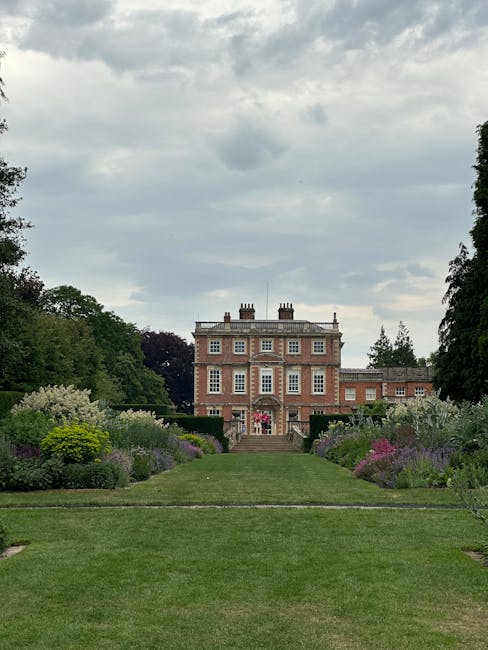
W1 garden clearance and gardeners serving Marylebone estates: a practical local guide
If you manage a Marylebone estate, look after a communal courtyard, or simply need a garden pulled back into shape after a busy season, W1 garden clearance and gardeners serving Marylebone estates can make a very real difference. The right team does more than rake leaves and fill a few bags. They help protect planting, keep shared spaces welcoming, reduce trip hazards, and keep the whole place looking cared for without turning the job into a disruption.
Truth be told, estate gardens in W1 rarely fail all at once. They drift. A hedge gets a little soft around the edges, ivy creeps where it should not, fallen leaves sit too long, and suddenly a neat space feels tired. This guide explains how clearance and ongoing gardening work in Marylebone, who needs it, what to expect, and how to choose a service that fits the pace and standards of central London life. You will also find a checklist, a comparison table, and a few practical examples that are based on the sort of jobs local teams handle every week.
Table of Contents
- Why W1 garden clearance and gardeners serving Marylebone estates Matters
- How W1 garden clearance and gardeners serving Marylebone estates Works
- Key Benefits and Practical Advantages
- Who This Is For and When It Makes Sense
- Step-by-Step Guidance
- Expert Tips for Better Results
- Common Mistakes to Avoid
- Tools, Resources and Recommendations
- Law, Compliance, Standards, or Best Practice
- Options, Methods, or Comparison Table
- Case Study or Real-World Example
- Practical Checklist
- Conclusion
- Frequently Asked Questions
Why W1 garden clearance and gardeners serving Marylebone estates Matters
Marylebone has a particular feel to it. Streets are busy, buildings are close together, and gardens often have to work hard in a limited footprint. A communal terrace, mews courtyard, or landscaped estate garden is not just decorative. It is part of how residents experience the property every day. When it is tidy, healthy, and well kept, the whole place feels calmer. When it is neglected, people notice quickly.
W1 garden clearance and gardeners serving Marylebone estates matter for several reasons:
- Presentation: well-kept grounds support the first impression for residents, visitors, and prospective tenants.
- Safety: clearing slippery leaves, broken branches, and hidden waste helps reduce avoidable hazards.
- Plant health: removing dead growth and dense debris allows air, light, and water to reach what should be thriving.
- Neighbour relations: on shared estates, tidy gardens cut down on complaints about mess, smells, or blocked access.
- Long-term value: regular maintenance is usually less disruptive and less costly than letting a space drift into a big recovery job.
There is also a practical side that people sometimes overlook. In central London, access can be awkward, storage is limited, and parking is rarely simple. Garden clearance has to be efficient, considerate, and planned around real-life constraints. That is why local experience matters. A team used to estate work in W1 will usually understand timed access, shared entrances, quiet working, and the need to leave the area spotless. Not glamorous, perhaps. But very useful.
For estate managers who also need wider property support, it can help to align garden work with other maintenance tasks. Some teams coordinate with patio and driveway cleaning, while others prefer to schedule gardening around pressure washing services so hard surfaces and planting areas are refreshed together. It saves back-and-forth. Less hassle, really.
How W1 garden clearance and gardeners serving Marylebone estates Works
Garden clearance is the reset button. It is the phase where a garden is brought back under control after seasonal growth, a tenancy change, weather damage, or a long gap between visits. Gardening, by contrast, is the ongoing care that keeps it from getting into that state again. On Marylebone estates, the two are usually connected.
A typical service begins with a site visit or detailed brief. The gardener looks at access, waste volume, planting type, surface conditions, and any resident-sensitive areas such as windows, seating spaces, or shared paths. That first look matters. A small courtyard with pots and climbers needs a different approach from a formal communal garden with turf, shrubs, and mature borders.
After that, a plan is drawn up. The work may include:
- leaf clearance and green waste removal
- pruning of overgrown shrubs and climbers
- weed removal from borders, paving, and gravel areas
- hedge trimming and shaping
- lawn cutting, edging, and scarifying where needed
- deadheading, seasonal planting, and border tidy-up
- light repair of soil levels, mulch, or planting structure
- safe disposal of cuttings and accumulated waste
In estate settings, the sequence often matters as much as the task list. For example, you would not want a team cutting back a shrub before checking whether nesting birds are present, or blowing leaves straight across a shared entrance before the bins have been moved. Small details, but they make the work smoother and more considerate.
If you are weighing up ongoing support versus one-off clearance, it may be helpful to look at the broader menu of garden maintenance services. That gives a clearer sense of what can be bundled into a regular schedule and what is better treated as a seasonal job.
Key Benefits and Practical Advantages
A good clearance and maintenance programme is not just about appearances, although yes, appearance matters quite a lot in Marylebone. It is also about making the property easier to manage. The best results tend to be felt rather than loudly announced. Residents simply notice that the garden feels calmer, brighter, and more usable.
Here are the main advantages:
- Less escalation: regular cutting and clearing stops a small mess from becoming a large, expensive tidy-up.
- Better use of space: courtyards and communal gardens become usable again when paths, seating areas, and access routes are clear.
- Improved plant performance: selective clearance can reduce competition and help the right plants recover.
- Cleaner shared living: a well-kept garden supports the sense of order that estate residents often expect.
- Lower complaint risk: fewer overhanging branches, leaf build-up, or abandoned waste means fewer resident issues.
- Better contractor coordination: structured visits fit more neatly around cleaners, security staff, and building management.
There is a quieter benefit too. People often relax in spaces that feel looked after. You can see it on a mild spring morning, when a courtyard smells of damp soil and cut grass instead of stale leaf litter. The difference is subtle, but it changes how a place feels. And that matters in a high-value neighbourhood where details carry weight.
Expert summary: The best W1 garden clearance work is not the most aggressive work. It is the most thoughtful work - removing what is unwanted while preserving the shape, health, and usability of the garden.
Who This Is For and When It Makes Sense
W1 garden clearance and gardeners serving Marylebone estates are a strong fit for a few different kinds of client. Some need emergency help after a period of neglect. Others want steady, low-drama upkeep. A surprising amount of demand sits somewhere in the middle.
This is especially relevant for:
- estate managers overseeing shared gardens and grounds
- block management companies handling resident-facing communal areas
- freeholders and landlords who want to protect the presentation of the building
- resident associations sharing responsibility for outdoor spaces
- hotel, hospitality, and office managers with private courtyards or entrance gardens
- homeowners in W1 who need a discreet, tidy service for a private garden or mews plot
It makes sense when any of these sound familiar:
- the garden looks overgrown after winter or a long dry spell
- paths are getting slippery with leaves or moss
- hedges and shrubs are encroaching on windows or walkways
- residents keep asking when the garden will be "sorted out"
- a tenancy change or inspection is coming up
- you need a one-off reset before starting regular maintenance
Not every garden needs the same level of intervention. A tidy, compact courtyard may only need light clearance and pruning. A larger estate garden might need phased work so planting is not stripped back too aggressively. To be fair, that judgement call is one of the things that separates a careful gardener from someone who just arrives with a rake and a van.
Step-by-Step Guidance
If you are planning garden clearance in Marylebone, a simple process helps keep the job organised. Below is a practical way to approach it.
- Assess the site properly. Walk the garden and note access points, waste build-up, dead growth, and any sensitive areas such as nesting spots, irrigation fittings, or shared seating.
- Set the outcome clearly. Decide whether you need a full clearance, a seasonal tidy, or a maintenance reset. Those are related, but not the same.
- Prioritise safety and access. Clear routes first. In estate gardens, residents and staff often need to pass through while work is happening.
- Protect what should stay. Good gardeners know what to remove and what to preserve. Over-clearing can do more harm than good.
- Remove waste efficiently. Bagging, loading, and disposal should be planned so paths and communal spaces are not left cluttered.
- Follow with detail work. Edging, raking, sweeping, and final checks matter. This is usually where the finished job starts to feel crisp.
- Agree the next visit. The best clearance jobs lead naturally into ongoing care, even if that is just a lighter monthly check.
A small example: a Marylebone estate with a central planting bed and two side walkways may not need a full redesign. It may just need dead stems removed, ivy trimmed back, leaf litter taken away, and the front edge sharpened. That can transform the look of the space in a single visit. Nothing dramatic. Just tidy, calm, and properly done.
Some property teams also want to pair garden works with broader outdoor refresh tasks. If that sounds familiar, you may find it useful to explore landscaping support for projects that go beyond clearance into reshaping or improving the space.
Expert Tips for Better Results
Once you have the basics in place, the details make the difference. This is where experienced gardeners tend to stand out.
- Work in the right season for the plant material. Heavy pruning is not always appropriate, especially on shrubs that flower on old wood.
- Keep an eye on soil health. If a border keeps looking tired, the issue may be compaction, poor mulch, or drainage rather than just surface mess.
- Use phased clearance where needed. In mature gardens, clearing everything at once can strip structure and stress plantings.
- Respect resident routines. Early starts, loud equipment, and access through front courtyards should be handled with care.
- Leave the site genuinely finished. A good sweep of paving and a final check for green waste are not optional extras.
Another small but useful point: ask for recommendations on maintenance frequency after the clearance. A one-off tidy may look great for a week or two, then drift back. A sensible plan might be fortnightly in peak growing months and lighter seasonal visits in winter. Not always, of course, but often enough to make a real difference.
And yes, sometimes the nicest-looking garden is the one with the least fuss behind it. No drama. Just consistent care.
Common Mistakes to Avoid
Garden clearance sounds straightforward until you see how easily things can go sideways. The most common mistakes are usually practical, not dramatic.
- Clearing too aggressively: removing too much at once can damage the shape and health of the garden.
- Ignoring access logistics: shared entrances, basement routes, and bin stores can create delays if not planned from the start.
- Leaving waste behind: a garden may look tidy at first glance, but loose cuttings and soil on paving quickly spoil the result.
- Skipping a follow-up plan: one-off work without maintenance often leads to a rapid return of the same problems.
- Overlooking sensitive areas: wildlife, irrigation, lighting, and resident privacy all need a bit of thought.
- Choosing on price alone: the cheapest option can become expensive if the work is rushed or incomplete.
A slightly awkward truth: some "quick tidy" jobs create more mess than they solve. The team leaves, the bin bags are stacked awkwardly, the paths are half-swept, and someone in the building notices immediately. Better to ask the right questions up front than deal with that later.
Tools, Resources and Recommendations
The right tools depend on the site, but good estate gardening in W1 usually relies on a sensible mix of hand tools, cutting equipment, and waste-handling kit. You do not need everything. You need the right things, used properly.
| Task | Useful tools or equipment | Why it helps |
|---|---|---|
| Leaf and debris clearance | Rakes, leaf blowers, collection sacks | Speeds up tidying and keeps paths clear |
| Pruning and shaping | Secateurs, loppers, hedge cutters | Improves plant form and removes dead growth cleanly |
| Border care | Hand forks, hoes, edging tools | Helps remove weeds and sharpen planting lines |
| Lawn maintenance | Mower, trimmer, scarifier | Keeps grass healthy and prevents a tired finish |
| Waste removal | Heavy-duty sacks, loading equipment, transport | Prevents clutter and keeps the site clean |
For estate managers, the most useful resource is often not a tool at all, but a clear service schedule. A simple monthly, fortnightly, or seasonal plan prevents a lot of last-minute calls. If you are building a broader grounds care plan, it may also help to review fencing services if damaged boundaries or tired enclosures are affecting the look and security of the garden.
One practical recommendation: keep a short record of what was done, when it was done, and what still needs attention. It sounds basic, and it is. But basic things keep estates running smoothly more often than fancy ones do.
Law, Compliance, Standards, or Best Practice
Garden clearance in a Marylebone estate is usually a practical service rather than a highly regulated one, but there are still standards and responsibilities worth taking seriously. Shared properties need care around safety, waste, and neighbour relations. That is just good practice.
Depending on the site, the service provider may need to consider:
- safe working methods: especially where residents, staff, or visitors are passing through
- waste handling: green waste and other materials should be removed and disposed of properly
- noise and timing: central London properties often need considerate scheduling
- plant and wildlife awareness: pruning and clearance should be done with care during active growing and nesting periods
- property protection: delicate paving, lighting, and shared access points should not be damaged during works
On estates, best practice usually means clear communication before the visit, tidy work during the visit, and a clean finish afterwards. If contractors are using power tools or carrying out larger clearance work, a careful risk assessment and method statement may be sensible, especially for managed buildings. Not every job needs a folder of paperwork, but everyone benefits from a little structure.
If you are unsure whether a particular clearance job needs phased work, resident notice, or additional precautions, the safest approach is to ask for a site-specific plan rather than guessing. That is the decent, boring answer. Also the right one.
Options, Methods, or Comparison Table
Different estates need different approaches. A fast clearance is not always the same as a proper long-term solution. Here is a simple comparison that can help you decide what fits best.
| Option | Best for | Strengths | Limitations |
|---|---|---|---|
| One-off garden clearance | Overgrown or neglected spaces | Fast reset, immediate visual improvement | Can drift again without maintenance |
| Seasonal clearance | Spring and autumn tidy-ups | Good for leaf fall, pruning, and reset work | Not enough on its own for busy communal gardens |
| Regular maintenance visits | Estate gardens and shared courtyards | Prevents build-up, keeps standards consistent | Requires a committed schedule |
| Clearance plus landscaping | Sites needing a deeper refresh | Can improve structure, function, and appearance | Needs more planning and budget |
In many Marylebone estates, the best answer is a combination: an initial clearance followed by ongoing gardening. That way you get the immediate transformation and the longer-term control. One without the other can feel a bit unfinished.
Case Study or Real-World Example
Here is a realistic example from the kind of work often seen in W1. A managed estate courtyard had become cluttered after a long, wet winter. Leaves had gathered in corners, climbing plants had started to spill over boundaries, and a couple of shrubs were blocking sightlines from the main entrance. Nothing catastrophic. Just enough for residents to keep mentioning it to the management office.
The solution was straightforward but careful. The team cleared the dead material first, removed leaf build-up from hard surfaces, cut back intrusive growth without flattening the planting scheme, and tidied the edges so the courtyard felt deliberate again. The final step was not the cutting. It was the sweep, the bagging, the check for hidden debris, the quiet moment when everything looked finished.
By the end of the visit, the space felt wider and brighter. You could hear footsteps properly on the paving again. The sort of thing people may not describe in detail, but they absolutely notice.
That is the value of experienced gardeners for Marylebone estates: they understand that the job is not just to remove material. It is to restore the feel of the place.
Practical Checklist
Use this checklist before booking or starting a clearance job. It keeps things simple and avoids awkward surprises.
- Identify the exact areas that need attention
- Decide whether this is a one-off clearance or ongoing maintenance
- Check access routes, parking, and any resident restrictions
- List problem areas such as overgrowth, weeds, leaf build-up, or damaged edges
- Note any sensitive plants, nesting risks, or irrigation fittings
- Confirm how waste will be removed and disposed of
- Ask what is included in the finish, such as sweeping and edging
- Agree the timing and any need for advance notice to residents
- Set a follow-up maintenance plan, even if it is light-touch
- Keep a short record of the work for future reference
Quick takeaway: the best results usually come from a tidy, well-planned clearance followed by steady maintenance, not from a single dramatic intervention. Simple, but true.
Get a free quote today and see how much you can save.
Conclusion
W1 garden clearance and gardeners serving Marylebone estates are about more than keeping up appearances. They help shared spaces function properly, support resident satisfaction, and protect the long-term condition of the garden. In a part of London where presentation, access, and discretion all matter, a careful local service makes a noticeable difference.
If your site needs a full reset, a seasonal tidy, or a reliable maintenance rhythm after a clearance, the best next step is to get a clear plan in place. Keep it practical. Keep it specific. And choose a team that understands estate work in central London, not just general garden jobs in the abstract. That bit matters more than people sometimes realise.
When a Marylebone garden is handled well, it does not shout for attention. It simply feels right. And that, honestly, is the nicest outcome of all.
Frequently Asked Questions
What does garden clearance usually include for a Marylebone estate?
It usually includes removal of dead growth, leaf litter, weeds, overgrown material, and other garden waste, plus tidying of borders, paths, and access areas. Some jobs also include hedge trimming, pruning, and light lawn work.
Is garden clearance the same as regular gardening?
No. Clearance is usually a reset or recovery job, while regular gardening is ongoing maintenance. In practice, many estates need both: a one-off clearance first, then scheduled upkeep to stop the space from getting overgrown again.
How often should an estate garden in W1 be maintained?
That depends on planting density, footfall, and the season. Busy communal gardens often need more frequent visits during spring and summer, with lighter attention in winter. A site-specific schedule is usually the safest bet.
What are the biggest problems in Marylebone estate gardens?
The most common issues are leaf build-up, access restrictions, overgrown shrubs, weeds in paving, tired borders, and inconsistent maintenance. Central London sites also face logistical issues like limited parking and tight access.
Can gardeners work without disturbing residents?
Yes, if the job is planned properly. Good estate gardeners work considerately, keep noise and access issues in mind, and clean up thoroughly. For shared buildings, communication before the visit helps a lot.
Do I need a one-off clearance or a regular service?
If the garden has drifted out of shape or become heavily overgrown, start with a clearance. If the space already looks decent but needs consistency, a regular maintenance service may be enough. Sometimes both are sensible in sequence.
How do I know if a gardener is suitable for an estate rather than a private home?
Look for experience with shared spaces, waste handling, access planning, and working around residents or building management. Estate work needs more coordination and more attention to finish than a simple private garden visit.
What should be agreed before clearance work starts?
Agree the scope, access arrangements, waste removal, timing, and the level of finish expected. It also helps to confirm whether the team will just clear and tidy, or also prune, edge, and prepare the space for ongoing maintenance.
Can overgrown shrubs and hedges be cut back hard?
Sometimes, but not always. It depends on the plant type, season, and condition of the garden. A good gardener will judge whether a lighter prune is safer than a heavy cut. That judgement can save a lot of damage.
What makes W1 garden clearance different from work in a suburban area?
Mostly the logistics and the standards. W1 sites often have tighter access, less storage, more resident traffic, and a stronger need for neat, discreet work. The garden itself may also be smaller but more visible, which raises the importance of finish.
How can I keep costs under control?
Plan the scope clearly, combine clearance with follow-up maintenance where sensible, and avoid leaving a garden until it needs major recovery work. Regular care is usually easier to budget for than emergency tidying. That is true in most estates, not just Marylebone.
What happens to the garden waste?
It should be collected, bagged or loaded properly, and removed for appropriate disposal. If waste handling is not discussed up front, ask about it. A tidy finish includes what leaves the site, not just what gets cut down.